
Insights
'Insights' Category (55)
Insights
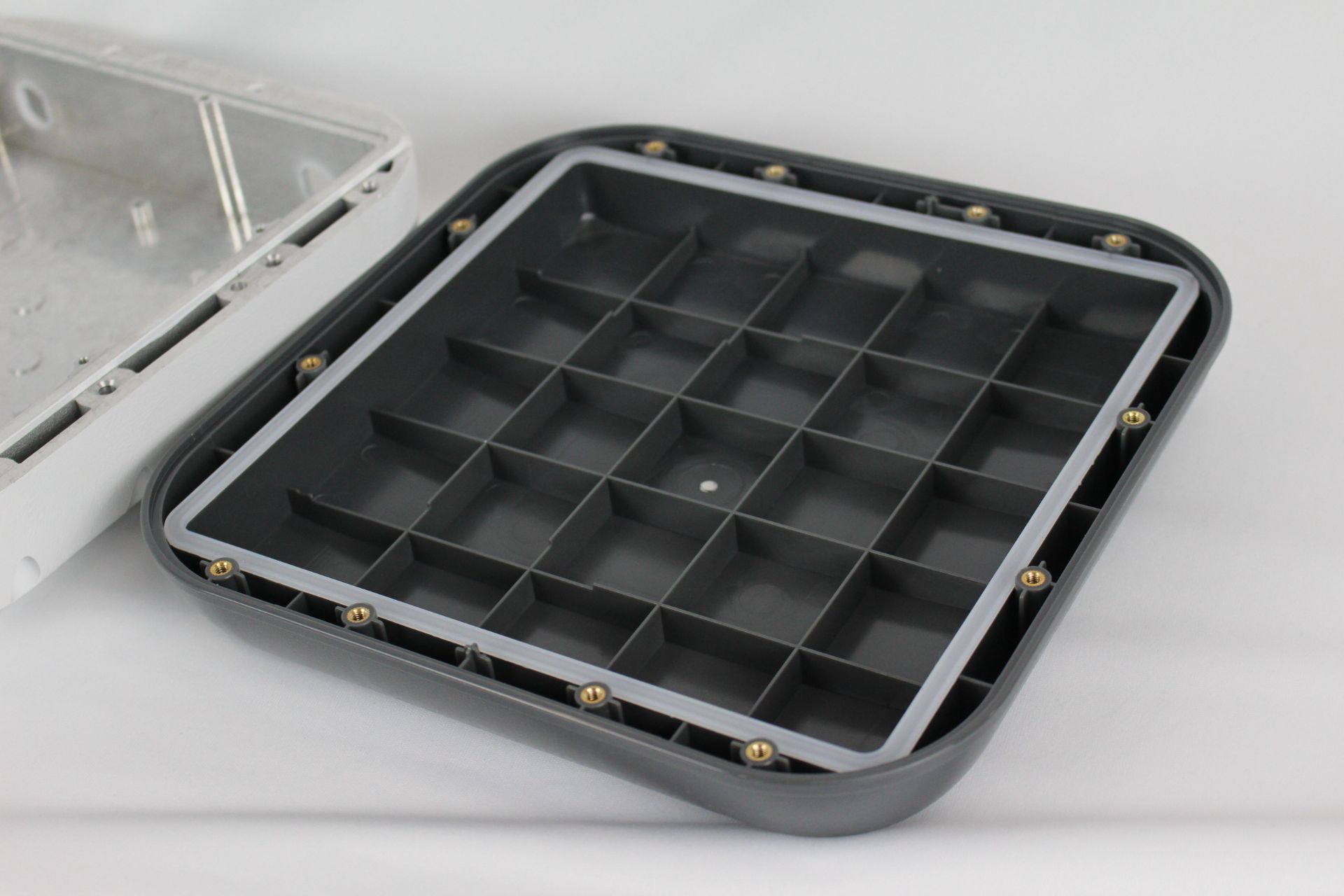
Additional Options for 3D Printing and CNC Machining: Inserts & Tapping
Inserts vs. tapping for 3D-printed and CNC parts: compare thread durability, when to use each, and sizing charts for both.
2026.09.18
Insights
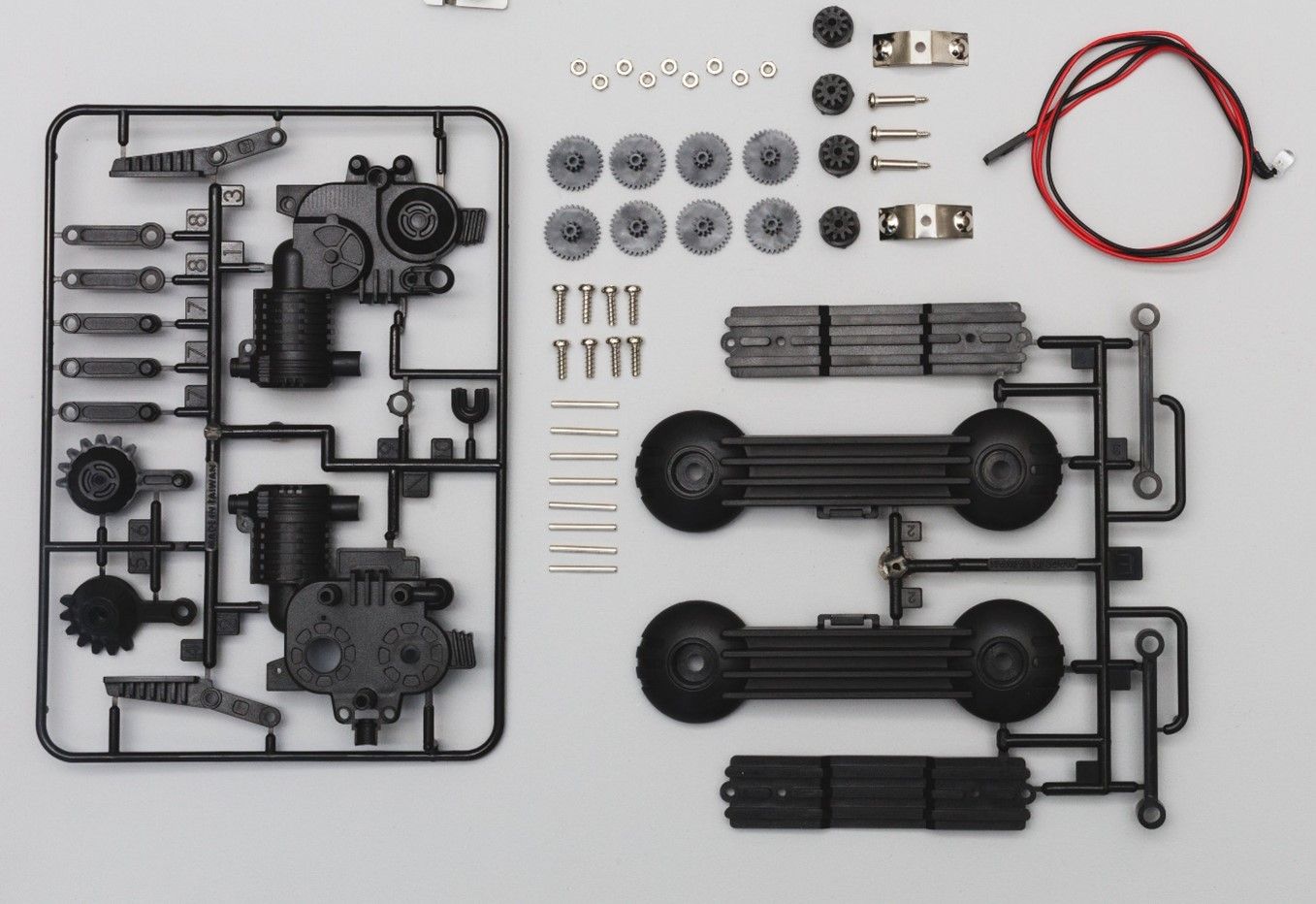
Fastening Methods That Matter in Product Design: Bolts & Nuts vs. Snap-Fits
Bolts and nuts vs. snap-fits: compare the two most common fastening methods in product design, plus when to use threaded inserts or heli-coils.
2026.09.18
Insights
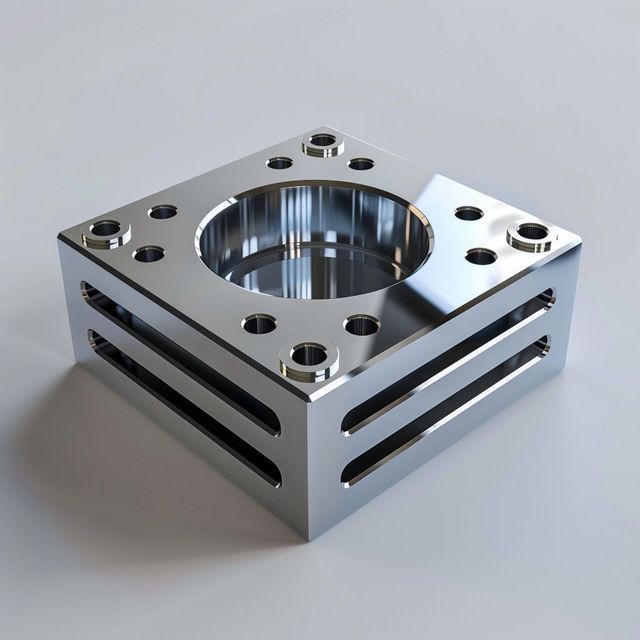
Metal Part Manufacturing: How to Choose Between 3D Printing, CNC, and Sheet Metal
How to choose between 3D printing, CNC machining, and sheet metal for metal parts — based on geometry, quantity, and strength requirements.
2026.08.26
Insights
How to Evaluate an Overseas Manufacturing Partner: 7 Questions to Ask
7 questions to ask before trusting an overseas CAD file to a new manufacturer — process ownership, IP protection, DFM, tolerances, lead time, and QC policy in one checklist.
2026.07.27
Insights
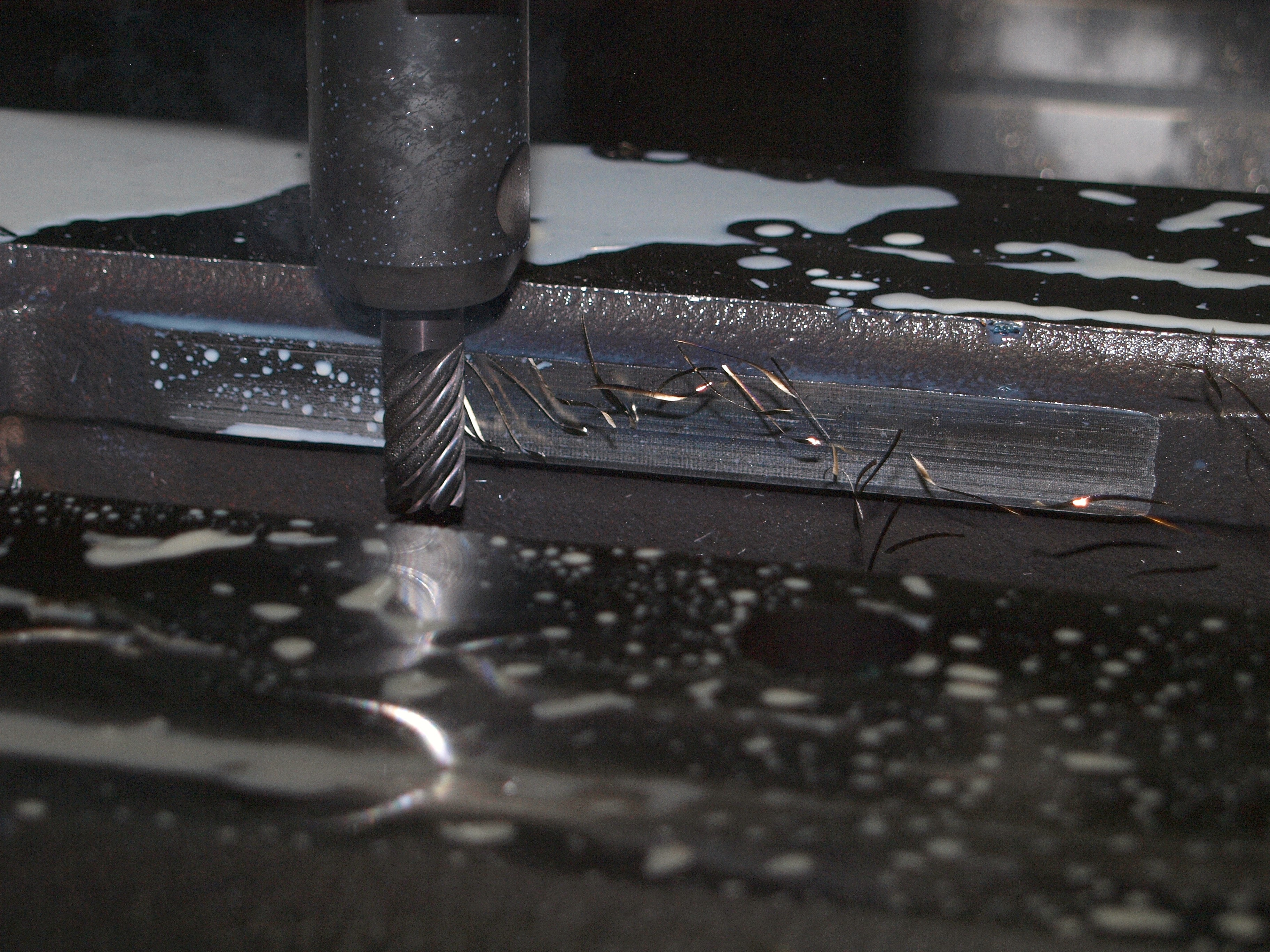
Why Fillet Radius (R-Value) Matters in CNC Machining — A Detail Designers Often Overlook
CNC fillet radius (R-value) shapes tool choice, cost, and surface finish. Rule of thumb: R ≥ 1/3 pocket depth. Get design guidelines that keep parts machinable.
2026.07.03
Insights
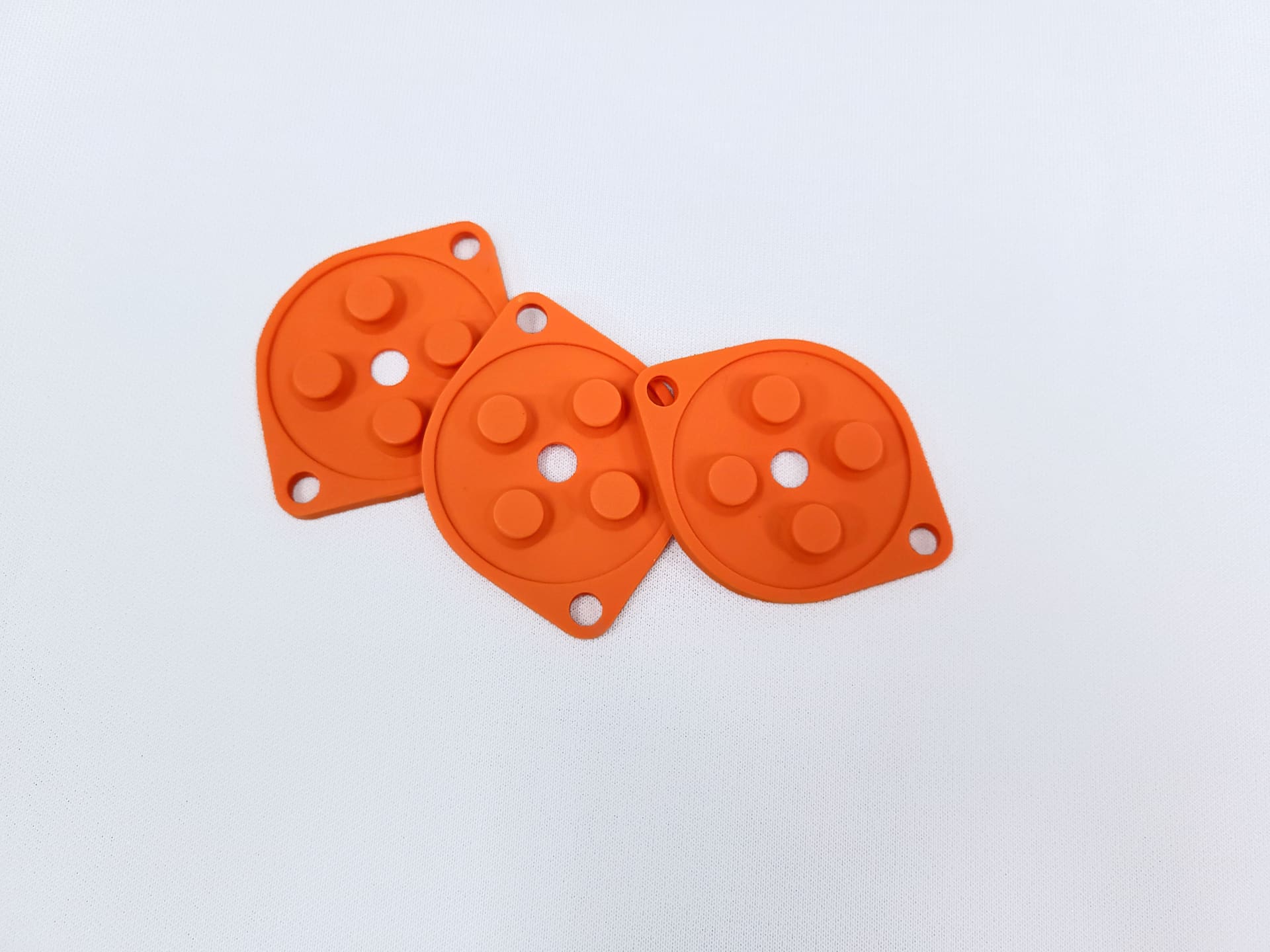
What Is Vacuum Casting? Process, Pros & Cons, and Materials
Vacuum casting (urethane casting) explained — the process, advantages and limitations, available materials, and when it's the right choice for low-volume parts and pre-production validation.
2026.06.22

Insights
Ordering Custom Parts from Korea: Shipping, Lead Time, and Customs — What to Expect
Ordering custom parts from Korea? Learn what to expect with Creallo’s clear guide on lead times, express shipping, customs/tariffs (DAP), and USD payment methods.
2026.06.18
Insights
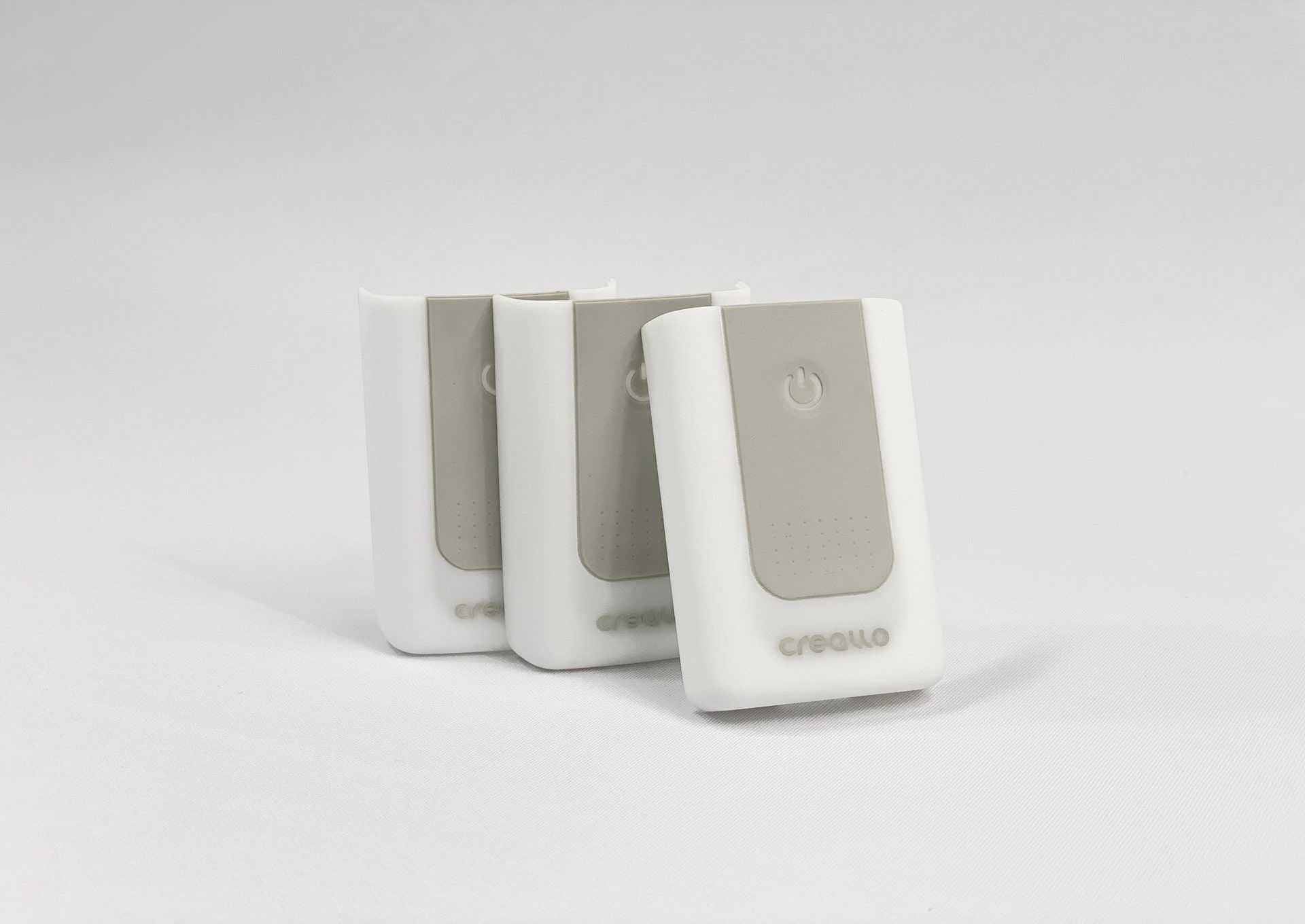
What Is Two-Shot Injection Molding? Process, Materials, Cost, and How to Validate Prototypes Before Production
Two-shot injection molding bonds two materials in one cycle to make a single part. Learn how it works, common ABS/TPU pairings, tooling cost, and how to validate multi-material prototypes with vacuum casting before production.
2026.06.09
Insights
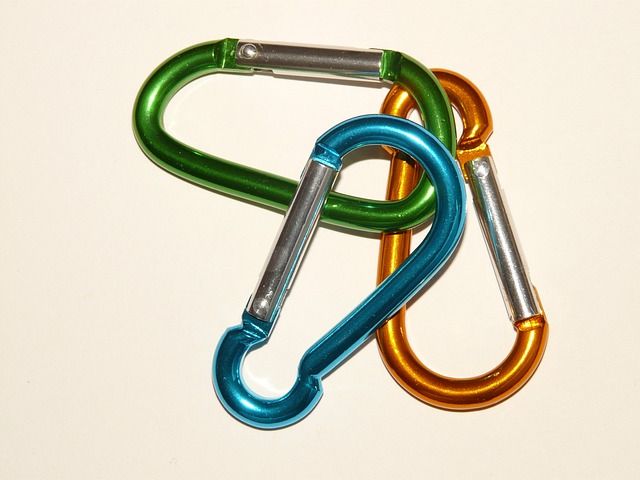
Aluminum Finishes: Why Your Post-Processing Dictates Material Selection
Discover the industry-standard aluminum surface finishes (Type II/III anodizing, chem film, powder coating) and how post-processing impacts your material selection.
2026.06.02
Insights
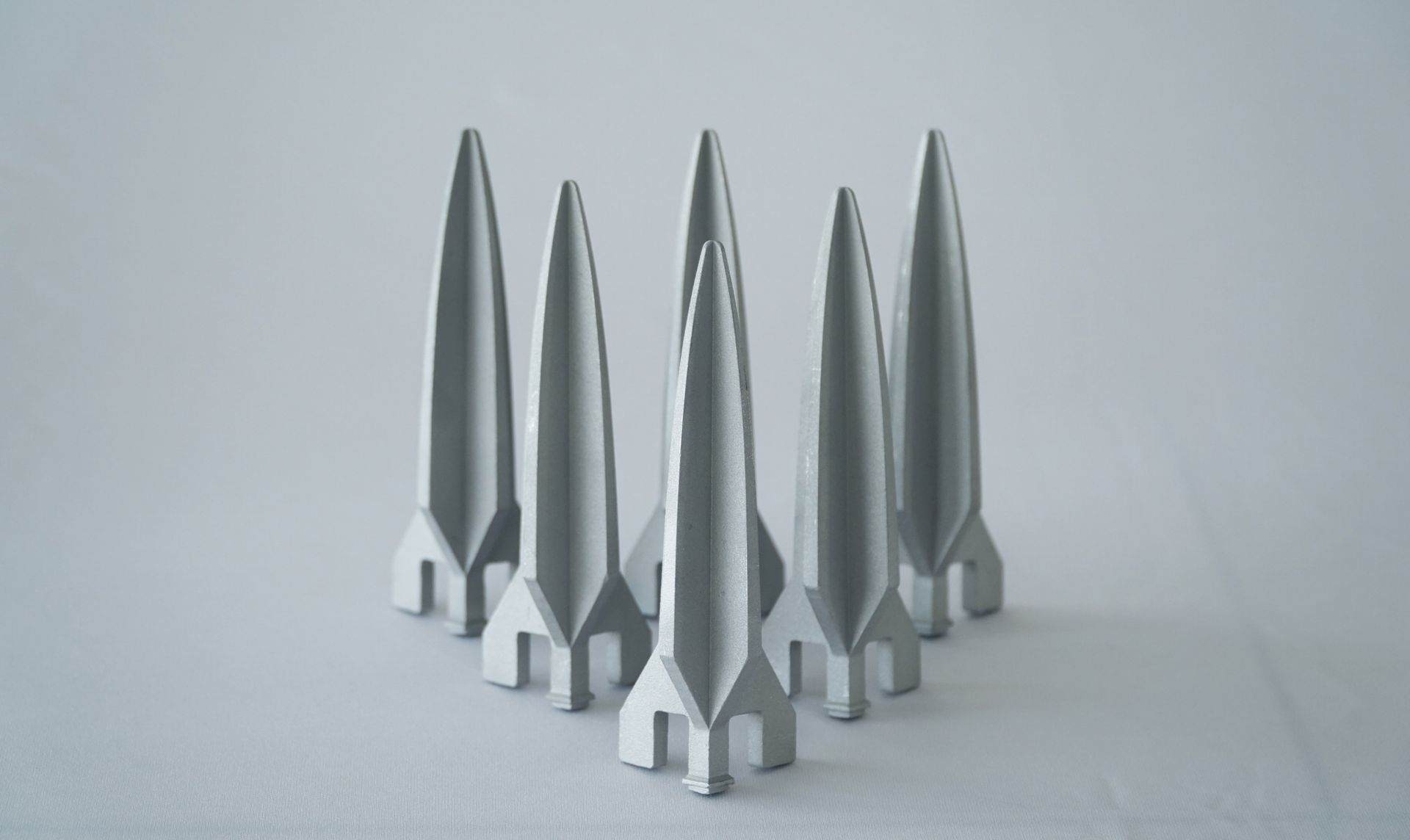
Product Development: A Complete Guide from Concept to Mass Production
A complete B2B product development guide—covering planning, design, prototyping, and mass production for efficient and scalable manufacturing.
2026.05.14
Insights
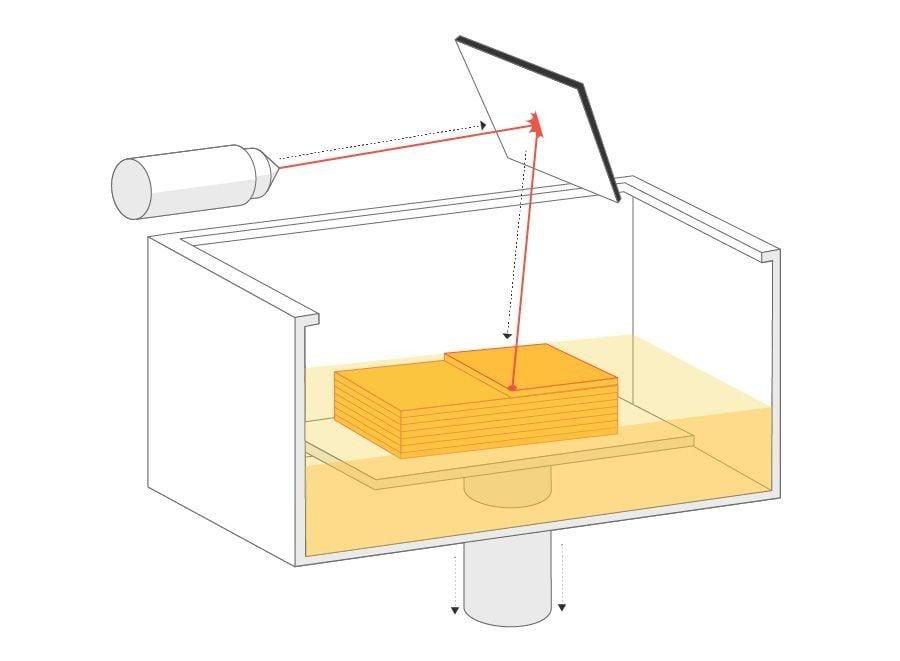
Comparison of 3D Printing Technologies: FDM, SLA, SLS, MJF and SLM
Discover the key differences between major 3D printing technologies—FDM, SLA, SLS, MJF, and SLM. Learn how each method compares in print quality, material properties, and ideal applications.
2026.05.14
Insights
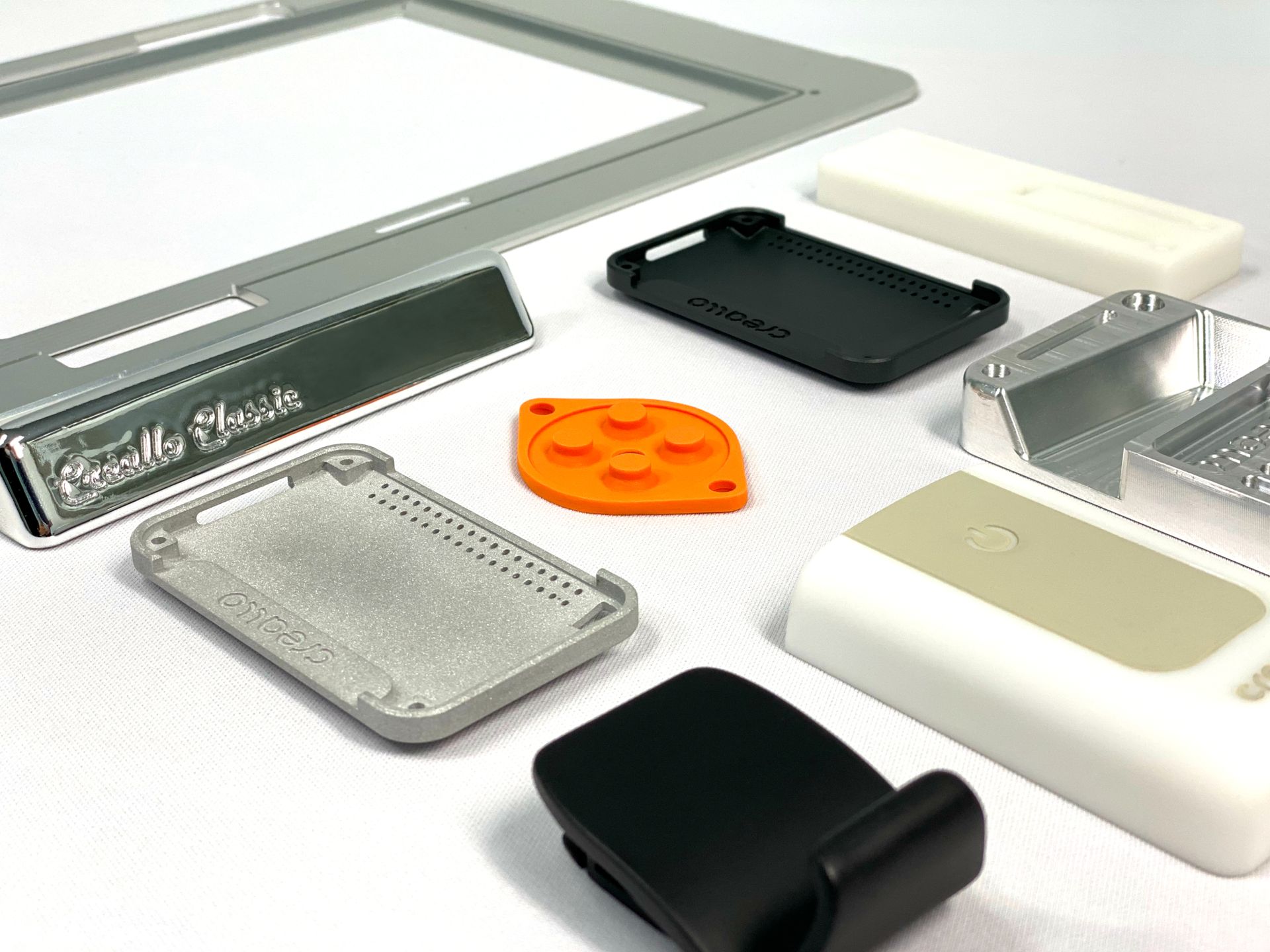
Why Engineers Choose 3D Printing for Prototyping: A Process Comparison Guide
Compare FDM, SLA, SLS, CNC machining, and vacuum casting for prototyping. Learn which process fits each development stage — from concept models to functional validation and low-volume production.
2026.05.07
Insights
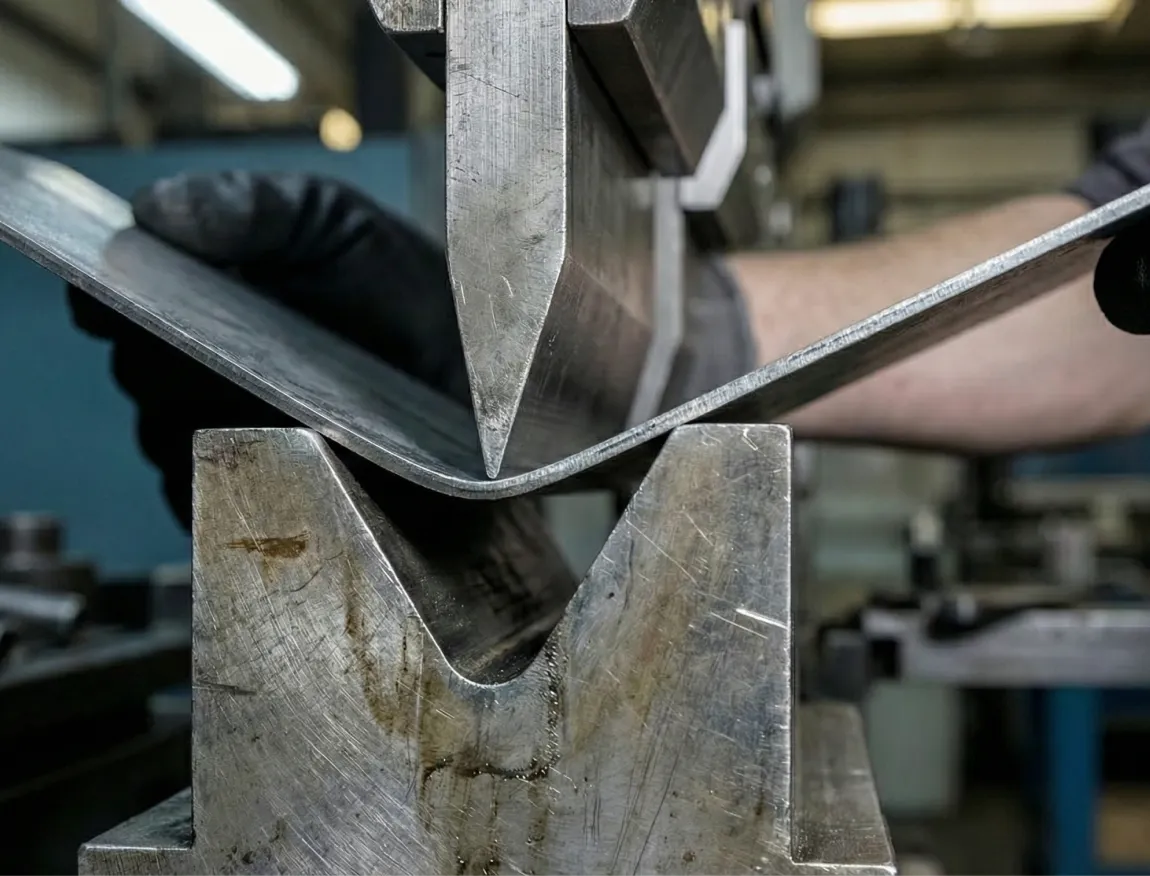
Sheet Metal Fabrication Design Guide: Processes, Materials, and Cost-Saving Tips
A practical sheet metal design guide for engineers. Covers bend radius, K-factor, hole placement, material selection, and tips to reduce fabrication costs.
2026.04.30
Insights
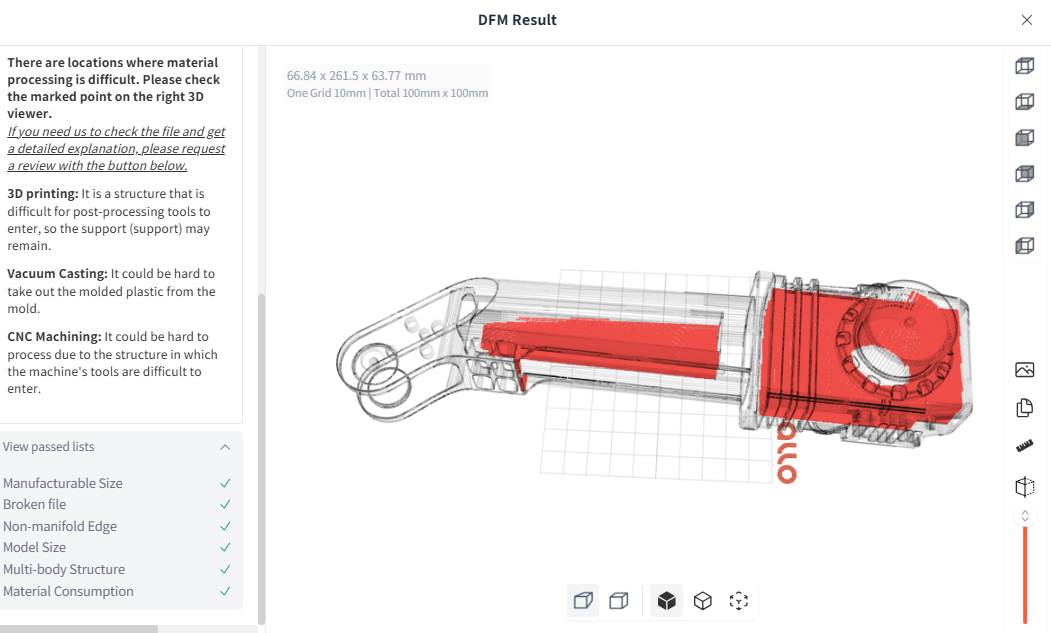
Reducing Lead Times: How to Leverage Creallo’s AI-Powered Real-Time DFM Analysis
Optimize your hardware development cycle with Creallo’s AI-powered DFM analysis. Learn how to reduce lead times and production costs by identifying manufacturing risks in real-time before moving to production.
2026.04.09
Insights
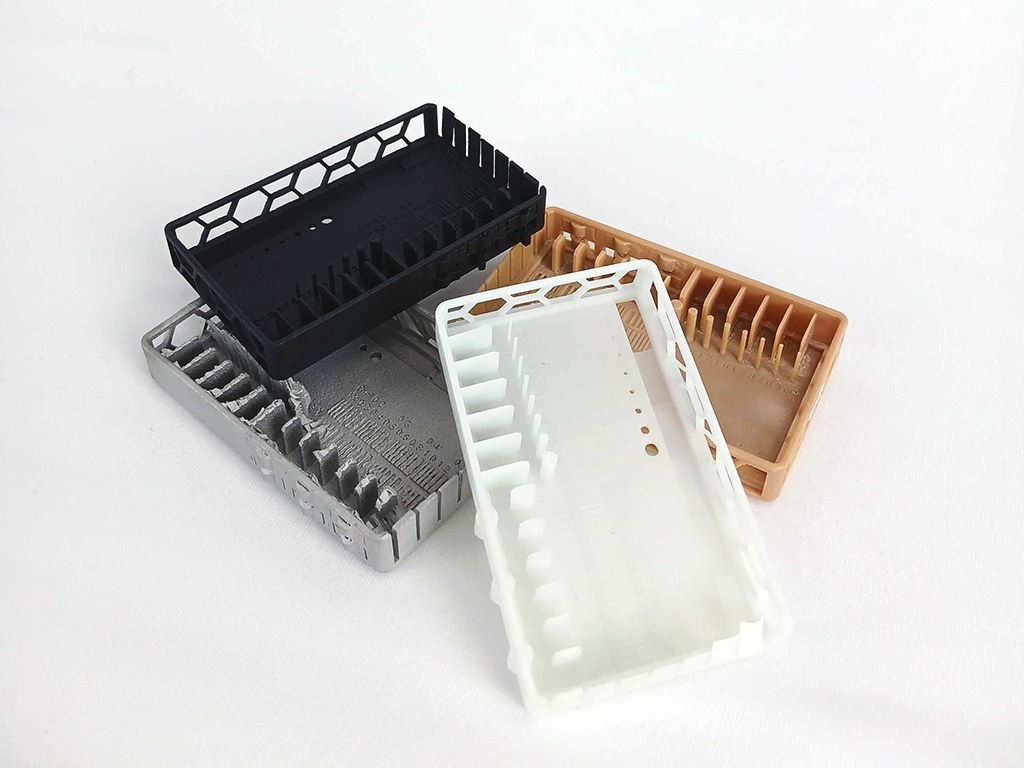
3D Printing Wall Thickness Guide: Minimum Requirements by Process and Material
Learn the importance of wall thickness in 3D printing. This guide explains minimum thickness by process such as SLA, SLS and SLM, plus practical design tips for reliable prototypes.
2026.03.05