Product Development: A Complete Guide from Concept to Mass Production
AUTHOR: Creallo Marketing Team|2026.05.14
Product development is a multi-step process that begins with a simple idea and ends with mass manufacturing. This guide is designed to help engineers and procurement professionals in B2B companies understand each stage of the process, identify what preparations are needed, and take more efficient steps toward production.
1. Planning: Laying the Groundwork for Your Product
The first step in product development is evaluating market potential and defining the brand and product concept.
- Define your target users and the problem your product solves.
- Conduct market research and analyze your target audience to position the product effectively.
- Establish brand tone, concept, and direction.
- Visualize how the product should look and appeal to customers.
- The concept defined at this stage serves as a crucial foundation for design and engineering decisions.
2. Design: Shaping Appearance and User Experience
This phase focuses on product aesthetics, usability, and user experience (UX).
- Visualize ideas through design sketches and 3D modeling; build initial mock-ups.
- Use foam board, paper, or cardboard for quick feedback; utilize 3D printing for realistic prototypes.
- Evaluate the look, color, and texture of the product with mock-ups to refine the design.
- Once finalized, move to mechanical design.
Explore more:
3. Mechanical Design: Engineering for Manufacturability
In this stage, the product’s internal structure and manufacturability are developed.
- Consider part interference and assembly structures to create a complete BOM(Bill of Materials) and assembly process.
- Optimize designs for CNC machining, injection molding, or sheet metal fabrication.
- Provide both 3D and detailed 2D drawings with tolerances, processing notes, and manufacturing sequences for quality and production teams.
4. Prototyping: Functional Mock-Ups and Testing
Prototypes bring designs to life and allow for functional testing.
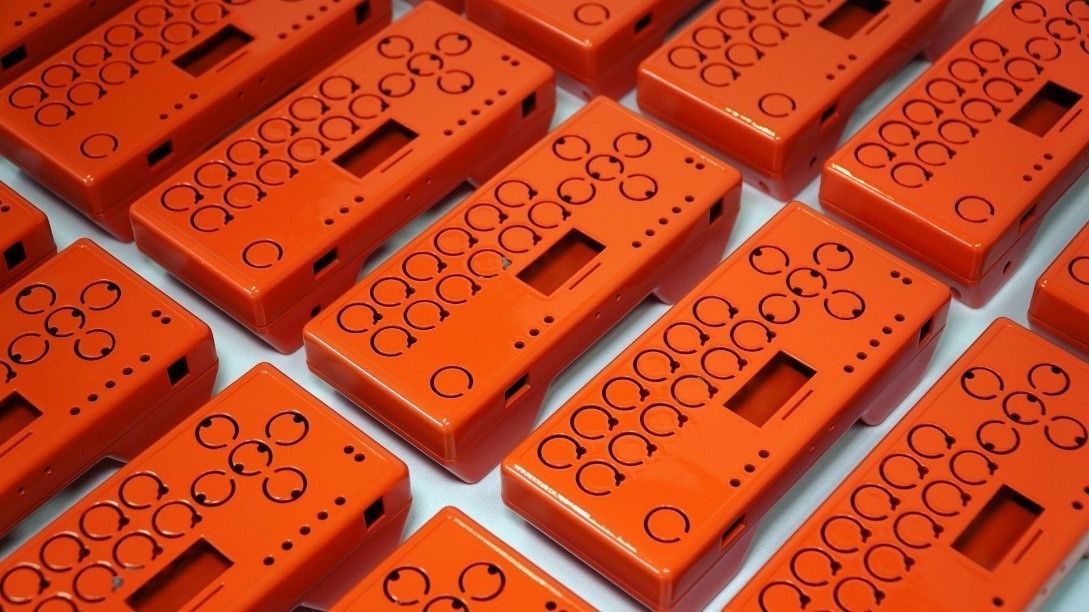
- Use 3D printing for visual prototypes, and apply painting/finishing for realism.
- For functional tests, produce parts with the same materials as final products using CNC or other precision methods.
- Include internal components like electronics or moving parts to validate functionality.
- Use the feedback to improve design files and assembly instructions.
5. Mass Production: Scaling Up
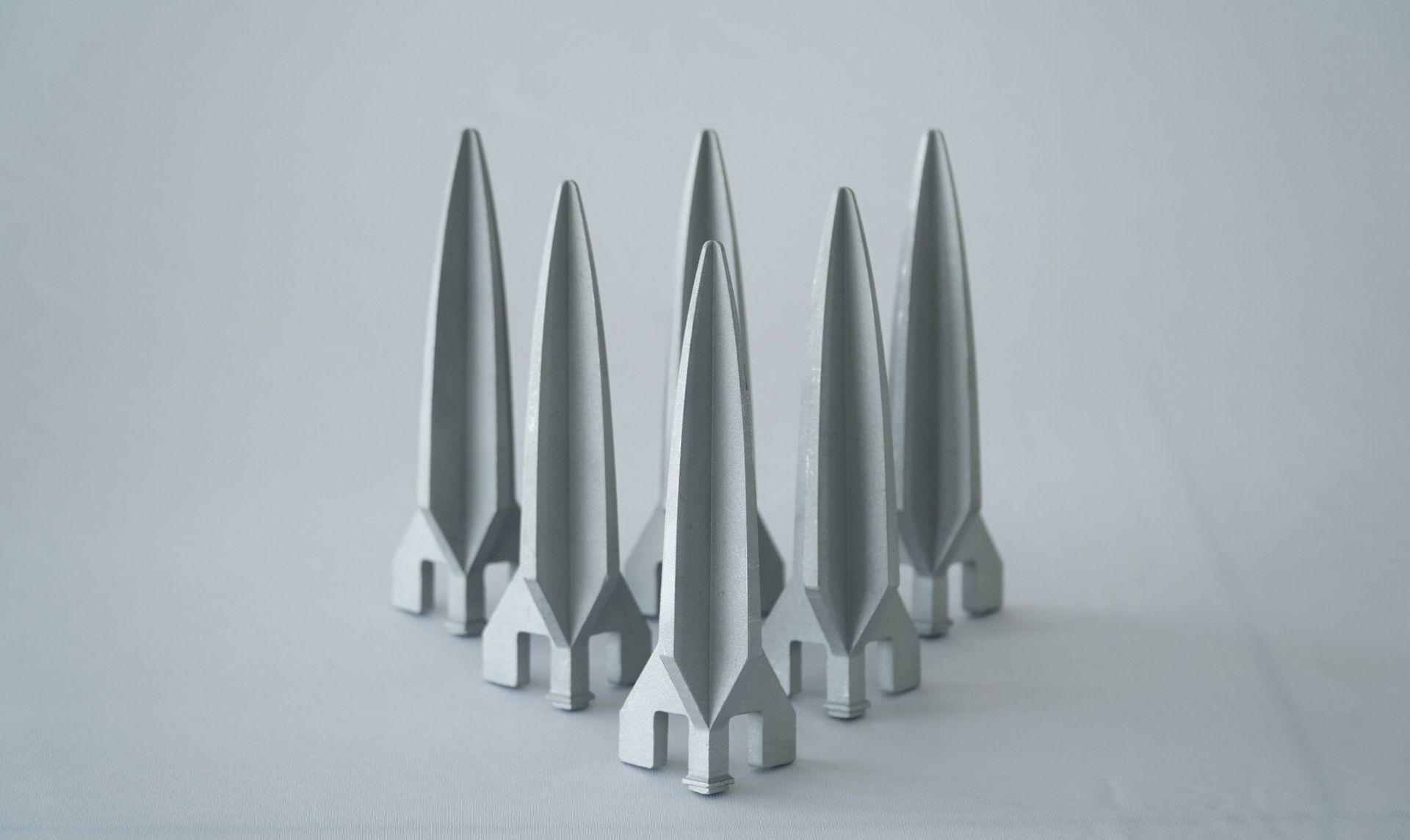
Mass production is executed based on final design files and BOM, in collaboration with specialized manufacturing partners.
- Develop production plans based on annual volume; prepare molds and set up manufacturing equipment.
- Produce initial samples (3–5 units) to finalize performance and quality.
- Gradually scale up production, while improving yield and assembly efficiency.
- Continuous communication and iteration with suppliers are key for success.
Learn More About Plastic Injection Molding→
Product development is not a linear task — it’s an iterative and collaborative journey.
By managing each step with structured processes, accurate drawings, and prototype-based feedback, you can bring your product from concept to mass production with confidence.