Metal Part Manufacturing: How to Choose Between 3D Printing, CNC, and Sheet Metal
AUTHOR: Creallo Marketing Team|2026.08.26
Key takeaways
- 3D printing, CNC machining, and sheet metal fabrication differ fundamentally in geometry, quantity, and cost structure — the right choice mostly comes down to part complexity, material, and expected quantity.
- Complex internal geometry or low-volume prototypes favor 3D printing; tight-tolerance functional parts favor CNC; thin, wide structures and enclosures favor sheet metal.
- Rather than committing to one process, a hybrid strategy — using different processes at the prototype stage vs. production stage — often cuts cost.
Ever gotten a quote back from 3D printing that was pricier than expected, then asked CNC only to hear "this geometry needs multiple setups, so it'll take a while" — and ended up requesting quotes from several options just to figure out which one actually made sense?
Metal parts can be made three main ways: 3D printing, CNC machining, and sheet metal fabrication. Even a small increase in geometric complexity can create a big gap in cost and lead time between the three.
This guide breaks down the core differences between the three processes and the selection criteria used most often in practice.
How the three processes differ
3D printing
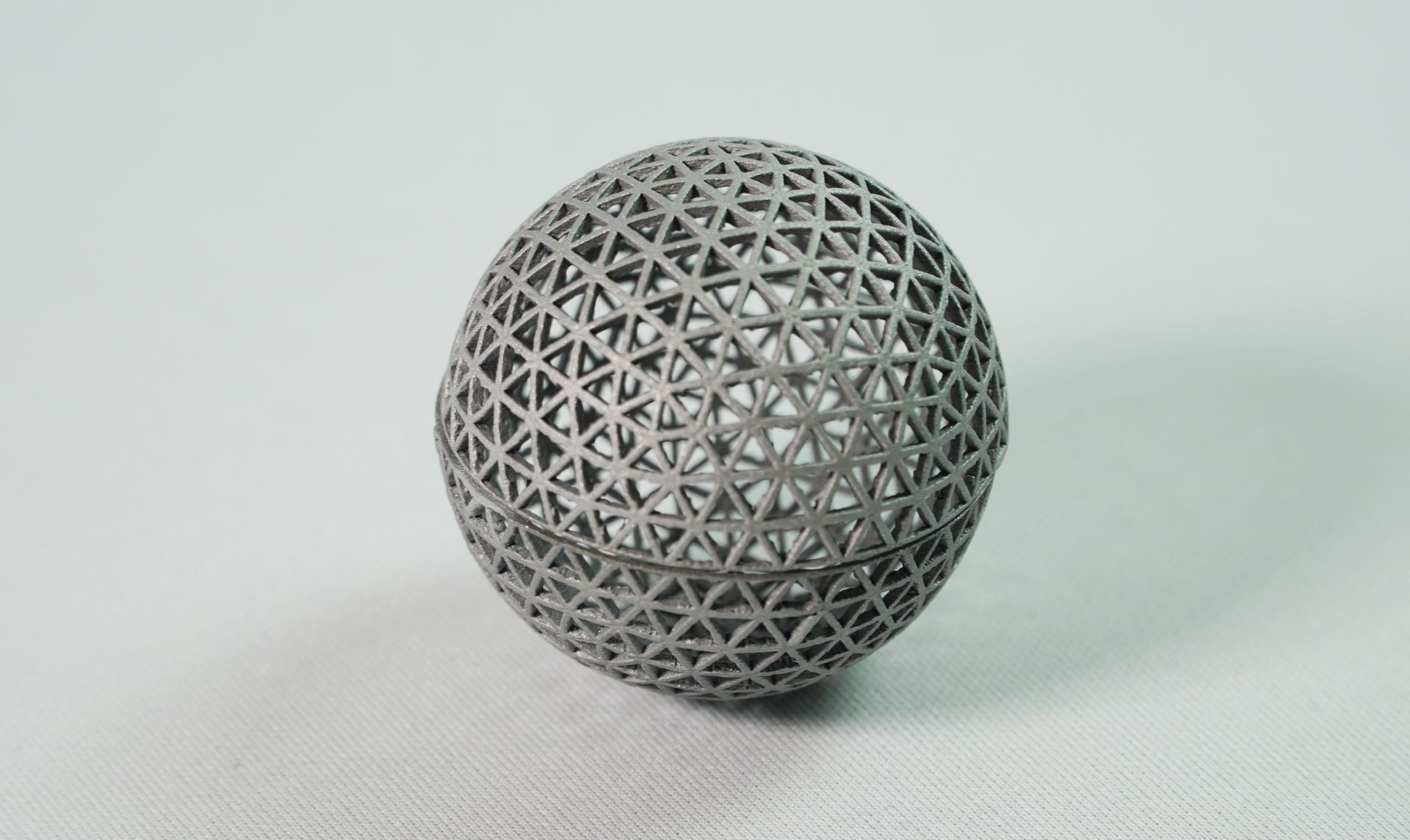
Builds up material layer by layer. Metal 3D printing (DMLS/SLM, etc.) can produce internal lattice structures or undercuts that are difficult or impossible to machine — its biggest advantage. The tradeoff is anisotropy (strength varies by build direction), rougher surface finish compared to CNC, and limited post-processing options.
CNC machining
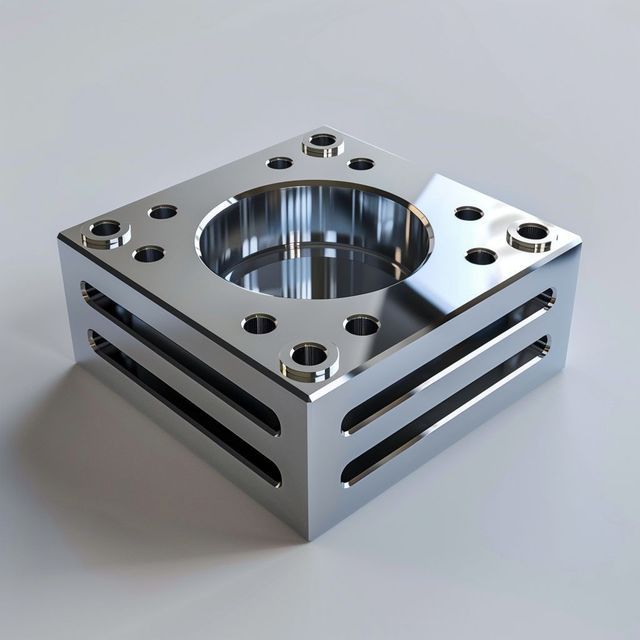
Cuts away material from a solid block. Because it removes material rather than building it up, strength is isotropic (uniform regardless of direction), making it the best choice for tight tolerances. The downside: complex internal geometry or undercuts can be impossible to machine, or require multiple setups that drive cost up sharply.
Sheet metal fabrication
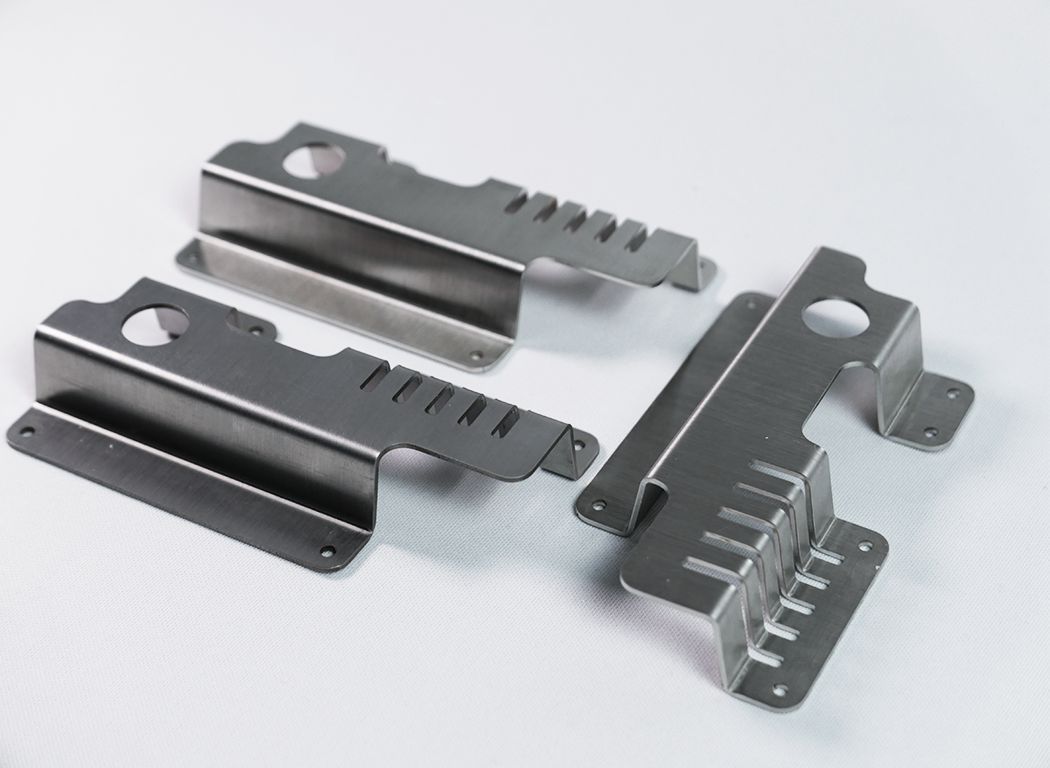
Cuts, bends, and welds thin metal sheet into shape. It's a relatively low-cost way to produce wide, thin structures like enclosures, brackets, and frames — but it isn't suited to complex 3D curves or thick parts.
Filtering by geometry
A few questions will point you in the right direction:
| Question | Yes | No |
|---|---|---|
| Is the part a thin, wide panel shape (enclosure/frame/bracket)? | Consider sheet metal | Next question |
| Does it have internal lattice or hollow structures that can't be machined? | Consider 3D printing | Next question |
| Is it a functional part needing tight assembly tolerance (shaft, housing, etc.)? | Consider CNC | Re-examine the geometry |
It's common for a part to hit more than one of these at once — a thin enclosure with a precision boss feature inside it, for example. In that case, rather than forcing everything into one process, it's often more practical to split the part by feature: a sheet metal frame combined with a CNC-machined insert, for instance.
Factoring in production quantity
Geometry and precision are the filter that determines whether a process can make the part at all. Quantity is the economic criterion that decides which process is cheapest among the ones that pass that filter. In other words, even for the same geometry, the more economical choice among the qualifying candidates shifts with quantity.
- 1–5 prototype units: If the geometry is simple, 3D printing or sheet metal — both with low setup cost — tend to be fast and cheap. If tolerance validation comes first, going straight to CNC is common too.
- Low-to-mid volume (tens to hundreds of units): Both CNC and sheet metal get cheaper per unit as quantity increases, making them more favorable. 3D printing's per-unit cost doesn't drop nearly as much with volume, so it tends to become the relatively worse option starting around this range.
- High-volume production: All three processes become inefficient on their own at this scale — it's worth evaluating dedicated mass-production processes like stamping or aluminum die casting instead.
When strength and precision matter
For functional parts under load or requiring tight tolerances, the reliability gap between the three processes widens.
- CNC preserves the material's isotropic properties while cutting, so strength is predictable regardless of load direction.
- Metal 3D printing has strength variation by build direction, which often means designing around the expected load direction and planning for post-processing (heat treatment, etc.).
- Sheet metal relies on the strength of the sheet itself, so strength comes from thickness and bend geometry. Complex 3D loading typically needs CNC or added frame reinforcement alongside it.
You can check material-specific properties on Creallo's supported materials page. For tolerance ranges by process, see Creallo's design guide.
Practical hybrid strategy: combining processes by development stage
Rather than committing to a single process, it's common in practice to switch processes as the project moves through development stages:
- Design validation stage: Use 3D printing to quickly confirm geometry.
- Functional validation stage: CNC-machine just the critical dimensions and assembly features to test real-world performance.
- Assemblies with enclosures/structures: Sheet metal for the housing, CNC for precision internal parts, 3D printing for complex brackets — split by component.
Switching processes stage by stage keeps early development costs down, while still letting you validate under conditions that match actual production right before you scale up.
FAQ
Q. What's the fastest way to decide when the geometry is ambiguous?
A. Upload your drawing and a Creallo PM will review the geometry and recommend the right process.
Q. What if I've reviewed all three processes and still can't decide?
A. Don't evaluate the part as a single unit — break the assembly down by which areas need precision and which just need structural integrity. The right hybrid strategy usually becomes clear once you do.
Q. Can Creallo handle all three processes?
A. Yes — 3D printing, CNC machining, and sheet metal fabrication are all available through Creallo. Instead of sourcing quotes from separate vendors for each process, you can get quotes for all three in one place.
Start manufacturing your metal parts with Creallo.
3D printing, CNC, and sheet metal each have tradeoffs across geometry, quantity, and strength requirements — which makes it hard to judge the right process from a drawing alone. If you're not sure which process fits, or whether to split the part across processes, a Creallo PM will analyze your product's characteristics, quantity, and cost to recommend the optimal process.

Related content: