Fail-Proof Rapid Prototyping: Guide to Materials & Manufacturing Processes
Prototyping is a critical phase in product development. But when it comes time to actually build a prototype, selecting the right manufacturing process and material can be overwhelming. Choosing the wrong combination can lead to wasted time and money, or even disrupt your entire production timeline.
This guide offers in-depth insights on selecting the optimal manufacturing processes and materials tailored to your prototyping objectives, including visual validation, functional validation, and mass production validation.
Prototypes for Visual Validation
✅ Recommended Process: 3D Printing – SLA
✅ Recommended Materials: ABS-like resin, Transparent resin
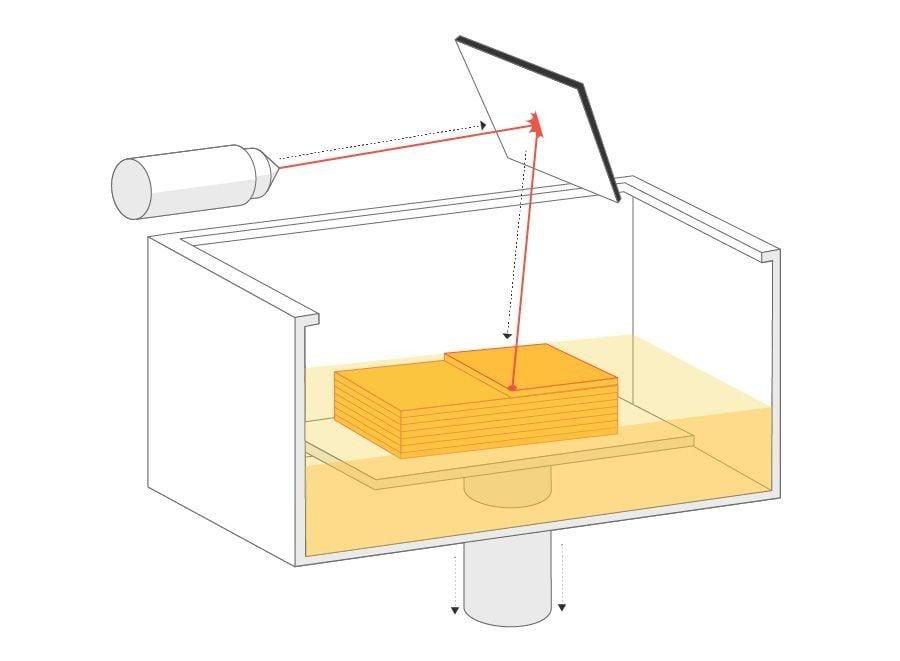
When showcasing your design to stakeholders or demonstrating it to investors and customers, the appearance of your prototype is paramount. Stereolithography (SLA) 3D printing is ideal for visual prototypes due to its high surface quality and fine resolution. When painted, SLA parts can closely resemble final production items. Transparent resins can also replicate the clarity of acrylic materials.
Use Cases: Consumer electronics housings, packaging mockups, medical device casings


Prototypes for Functional Validation
✅ Recommended Processes: 3D Printing – SLA & SLS, CNC Machining
✅ Recommended Materials: ABS-like resin, Nylon (PA12), Metal
When validating functionality, it’s not just about appearance. You’ll need to assess assembly fit, mechanical performance, and operational stability. Depending on your use case, consider the following:
- SLA Printing: Ideal for quick, cost-effective functional prototypes. ABS-like resins are suitable for low-load applications and precise assembly testing but may not withstand high impact or heat.

- SLS Printing: For durable and mechanically sound parts, SLS (Selective Laser Sintering) with Nylon PA12 or reinforced composites (e.g., glass bead or aluminum-filled nylon) is highly effective. It supports complex geometries and integrated assemblies, making it perfect for load-bearing or moving parts. Note: surface finish is rougher, so it’s best suited for function-focused parts.

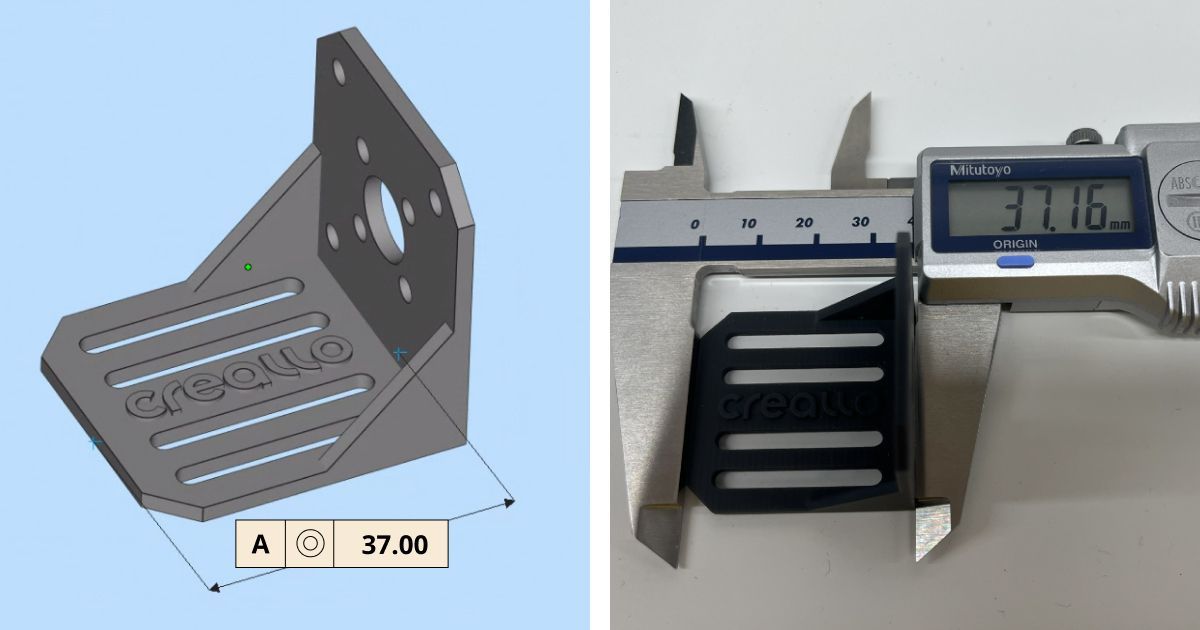
- CNC Machining: CNC(Computer Numerical Control) machining is essential when tight tolerances and high mechanical strength are required, especially for metal components in high-load or high-heat environments.

Prototypes for Mass Production Validation
✅ Recommended Processes: CNC Machining, Rapid tooling
✅ Recommended Materials: Materials closely simulating final production
At this stage, your goal is to validate the feasibility of mass production. Prototypes must be as close as possible to final manufacturing conditions.
- CNC Machining: Provides excellent dimensional accuracy and allows for testing in real-use environments without investing in production tooling.

- Rapid Tooling: Produces parts using actual injection molding processes and resins. While rapid tooling is more expensive than 3D printing or machining, it’s useful for verifying moldability and product behavior under true production settings.

Prototypes Using Flexible Materials
✅ Recommended Process: Vacuum Casting
✅ Recommended Materials: TPU and other elastomers
For prototypes requiring soft or flexible materials, vacuum casting is the go-to method. It supports a wide range of F(typically 40–80), provides excellent surface finish, and allows for custom color matching. Vacuum casting is ideal for soft covers, wearable device components, gaskets, and shock-absorbing elements.
While FDM or SLS 3D printing can also process TPU, they offer limited hardness options and subpar surface finish, making vacuum casting the best choice for high-quality, flexible prototypes.

Selecting the right prototyping method and material is crucial for successful product development. Whether you’re aiming to validate appearance, test functionality, or prepare for mass production, matching your goals to the most suitable process and material will help you save time, reduce costs, and improve prototype quality.
Use this guide to navigate your options and make confident decisions throughout your prototyping journey.