SLS vs MJF: Choosing the Right 3D Printing Method for Your Product Requirements
AUTHOR: Creallo Marketing Team|2025.07.02
Which 3D printing technology is better? SLS or MJF?
This is one of the most frequently asked questions in B2B product development. But there’s no single answer. The optimal method depends on your manufacturing purpose, part size, material requirements, surface finish needs, and lead time.
In this guide, we compare two widely used powder-bed fusion technologies — SLS(Selective Laser Sintering and MJF(Multi Jet Fusion) — to help you choose the right one for your project.
Quick Summary
- SLS supports a wider range of materials and dyeing options and excels at large parts, while MJF offers faster printing speeds and isotropic (uniform X/Y/Z) mechanical properties.
- SLS has a maximum build size of 550×550×750mm versus MJF's 380×284×380mm — SLS is better suited for large parts or batches with many parts per build.
- At Creallo, simply upload your 3D file and our expert PMs will determine the optimal process and produce your parts using either SLS or MJF under the best possible conditions.
Technology Overview & Comparison
SLS (Selective Laser Sintering)
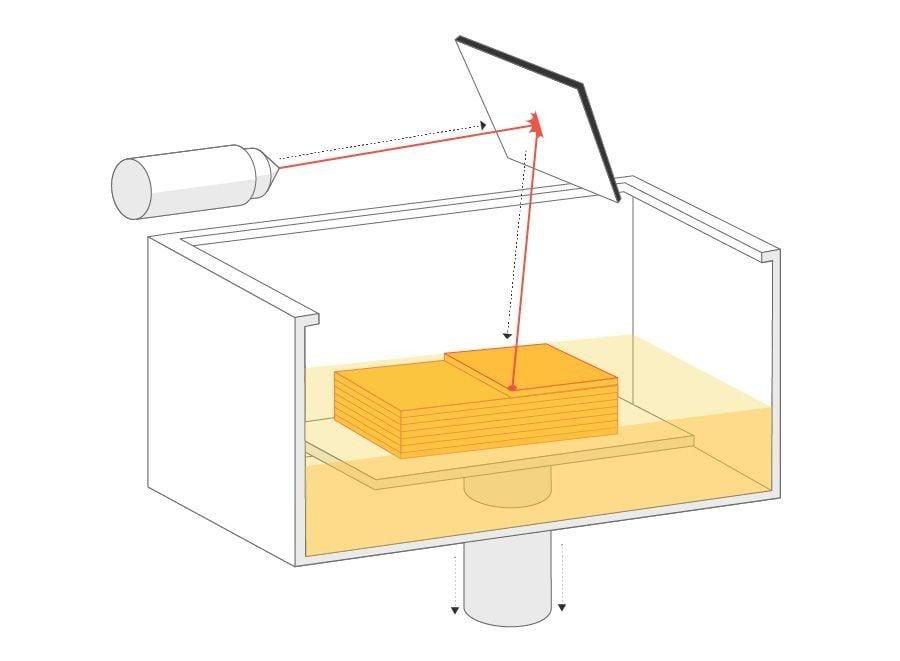
- How it works: Uses a CO₂ laser to sinter nylon powder layer by layer.
- Materials: PA12, PA11, Alumide, flame-retardant & food-grade variants.
- Advantages:
- Broad material compatibility
- Excellent for large parts
- High strength and thermal resistance
- Limitations: Rough surface finish (post-processing needed)
- Typical use cases: Engine housings, heat-resistant parts, functional prototypes
MJF (Multi Jet Fusion)
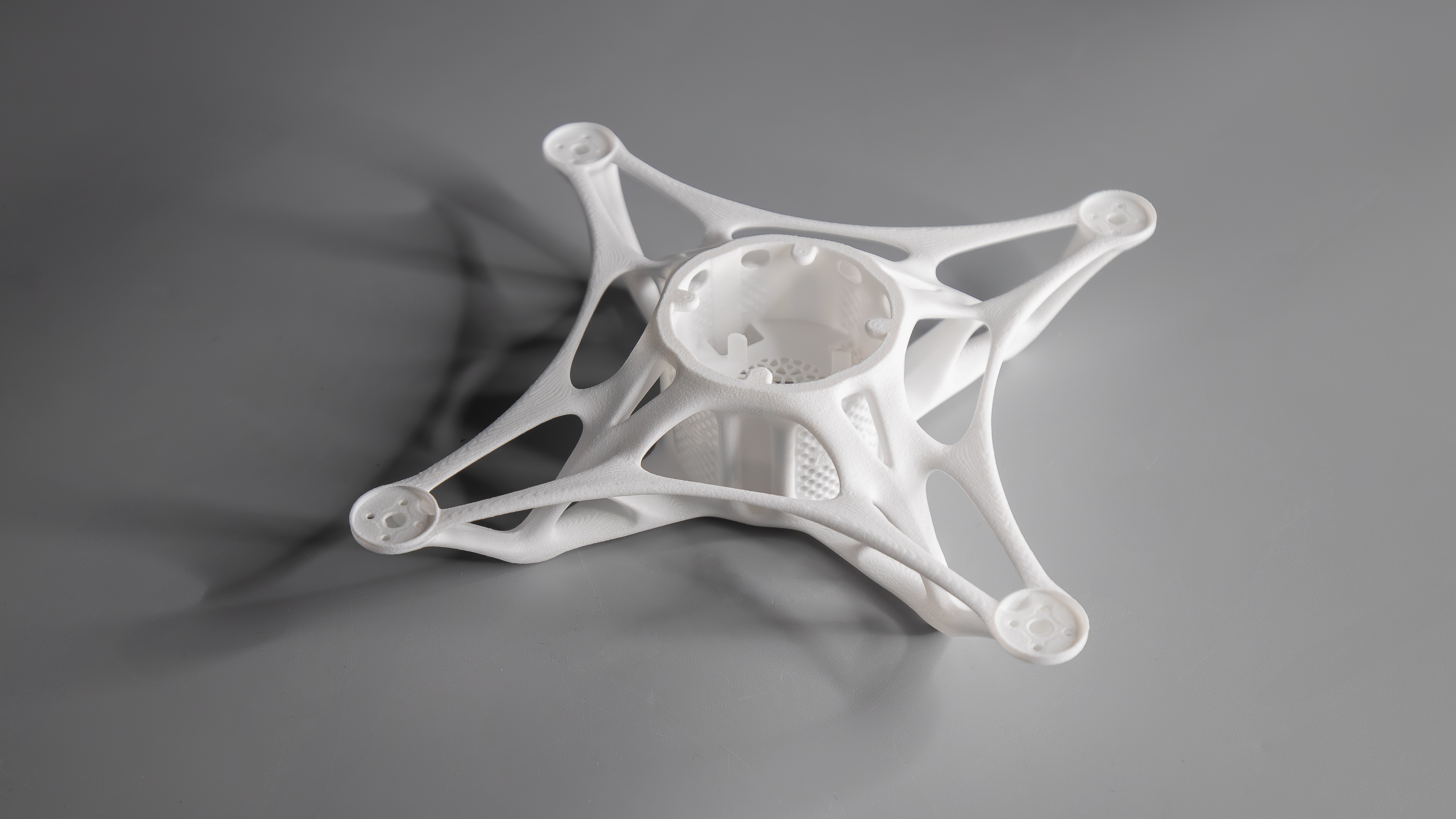
- How it works: Fuses powder using a combination of binding agents and infrared heat.
- Materials: PA12, reinforced PA12, PA11, TPU
- Advantages:
- Fast printing speed
- High edge detail accuracy
- Limitations:
- Limited material selection
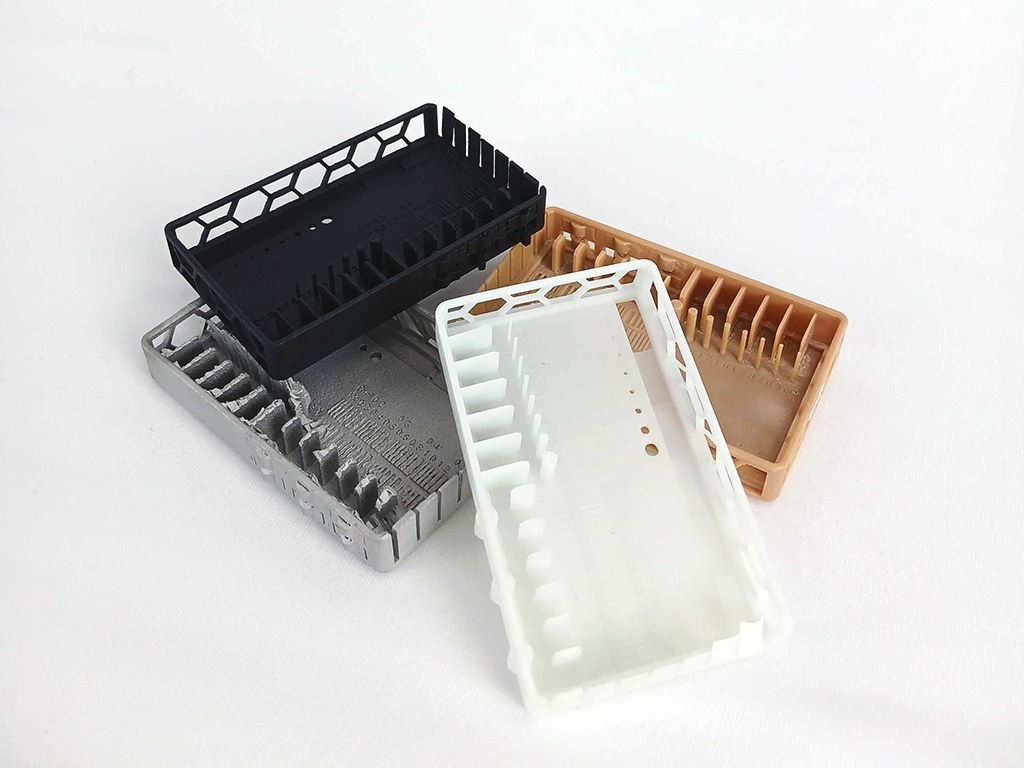
- Output color varies (grayish tones)
- More brittle than SLS due to binder agents
- Typical use cases: High-precision fit parts, functional end-use products, short-run production
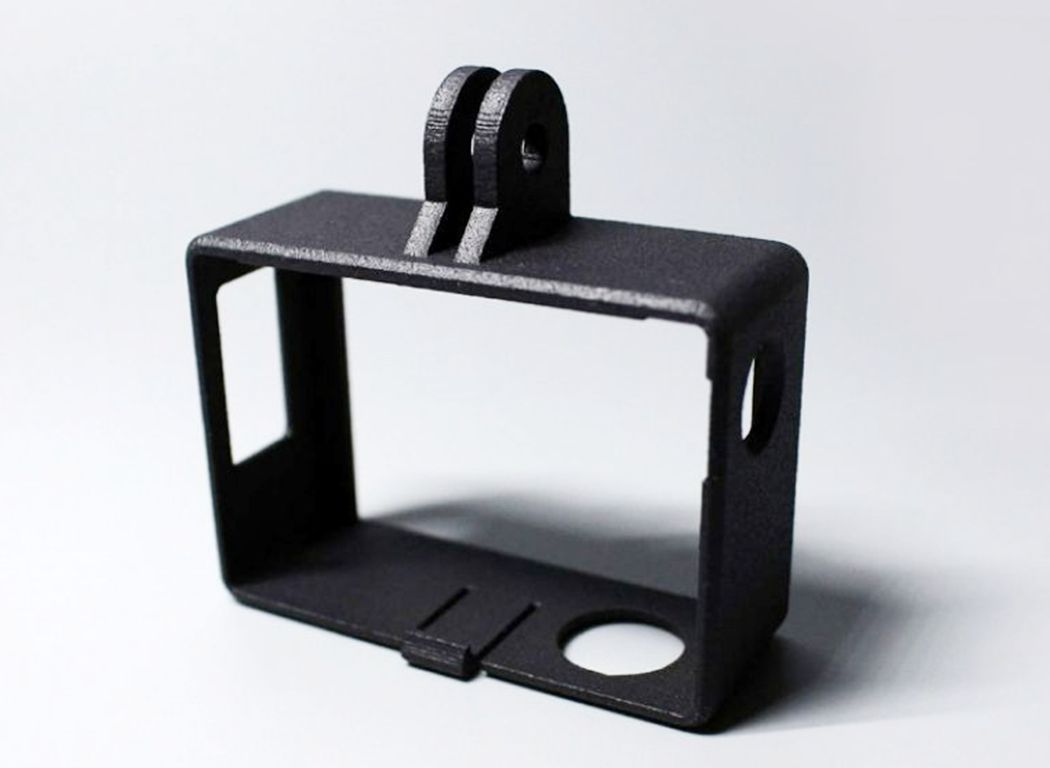
Side-by-Side Comparison
| Feature | SLS | MJF |
| Printing method | CO₂ laser sintering | Binder + infrared fusion |
| Base color | White | Gray |
| Post-processing | Extensive options | Limited (painting, dyeing) |
| Material compatibility | Wide range | HP-approved materials only |
| Bio/food safety | Yes (with eco-friendly materials) | Limited (due to chemicals) |
| Best for | Medium to large parts, volume production | Small parts, rapid prototyping |
| Maintenance | Stable, long-term | Higher consumables cost |
Build Size & Cooling Time
| SLS (mm) | MJF (mm) | |
| Maximum Build Size | 550x550x750 | 380x284x380 |
| Cooling Time | 10-20 hours | 10-20 hours |
Can SLS and MJF Be Used Interchangeably?
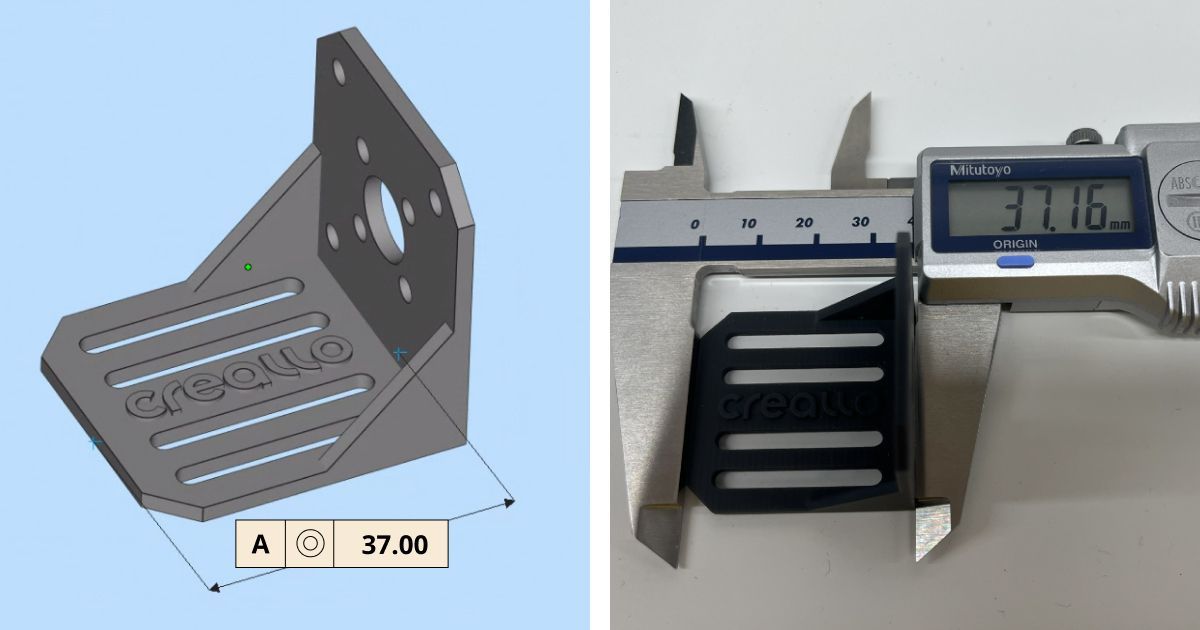
In many cases, yes — especially for functional prototypes and end-use components. Their design rules are almost identical, with tolerance differences being the main consideration.
Examples include:
- Functional prototypes: PA11, PA12, reinforced PA12 brackets, housings, clips
- End-use parts: Connectors, device housings, small gears
- Flexible parts: TPU-based seals, joints, and gaskets
Choose Based on Your Manufacturing Objectives
SLS is ideal when:
- Color consistency and branding are important
- Bio-compatible or food-contact parts are needed
- High volume or large-format parts are required
- You need customizable process conditions
MJF is better suited for:
- Tight lead times
- Fine details and thin walls
FAQ
Q. Which is better for large parts, SLS or MJF?
A. SLS has a larger maximum build size (550×550×750mm) compared to MJF (380×284×380mm), making it the better choice for large parts or builds that require placing many parts at once.
Q. Which process is better suited for bio-contact or food-contact parts?
A. SLS is the better option. It offers a wider selection of eco-friendly, bio-compatible, and food-contact materials than MJF.
Q. Can both SLS and MJF be used for parts that require isotropic properties?
A. MJF produces parts with isotropic mechanical properties (uniform strength in the X, Y, and Z directions), while SLS parts are slightly anisotropic, with somewhat reduced strength along the Z-axis. For precision assembly parts where isotropy matters, MJF is generally the better first choice.
Q. How do SLS and MJF differ from other 3D printing methods like FDM or SLA?
A. SLS and MJF are both nylon powder-based processes well suited to functional parts, while FDM is best for basic shape verification and SLA excels at high-precision cosmetic mockups. For a full comparison of all five methods, see our guide [Comparison of 3D Printing Technologies: FDM, SLA, SLS, MJF and SLM].
Q. Not sure whether to choose SLS or MJF?
A. Simply upload your 3D file, and Creallo's expert PMs will review your part's geometry, application, and material requirements to produce it using the most suitable process.
Get Parts Printed with SLS at Creallo
Creallo offers advanced SLS 3D printing services with the Asia-first EOS P3 NEXT system. Upload your 3D file and experience:
- Real-time DFM feedback
- Instant quotes and lead time checks
- Expert PM review of your part's requirements to produce it using the optimal process — SLS or MJF
- Wide post-processing options for branding
Additionally, MJF production is supported through Creallo's global manufacturing network, enabling reliable output. Our expert PMs assess your project's needs and produce every part using the optimal process, whether SLS or MJF, under the best possible conditions.
We go beyond simple print-on-demand services to help you achieve your product goals more accurately and efficiently.
Experience the latest SLS & MJF 3D printing technologies with Creallo today!
- Learn more about Creallo’s 3D Printing Services
- Explore Creallo’s Supported 3D Printing Materials
- View Creallo’s 3D Printing Portfolio
- Learn the Differences Between 3D Printing Technologies