Complete Guide to CNC Machining Methods: Milling, Turning, and 5-Axis Machining
What is CNC Machining?
CNC (Computerized Numerical Control) machining is an advanced manufacturing technology that enables precise processing of a wide range of materials, including metals and plastics. By using computer-controlled machine tools, CNC systems can accurately reproduce complex geometries with high precision and repeatability, following digital design files.
Thanks to its consistent quality and suitability for mass production, CNC machining has become an essential process in various industries such as automotive, aerospace, electronics, and medical devices.
View Creallo CNC Service Page→
Milling: The Most Common CNC Machining Method
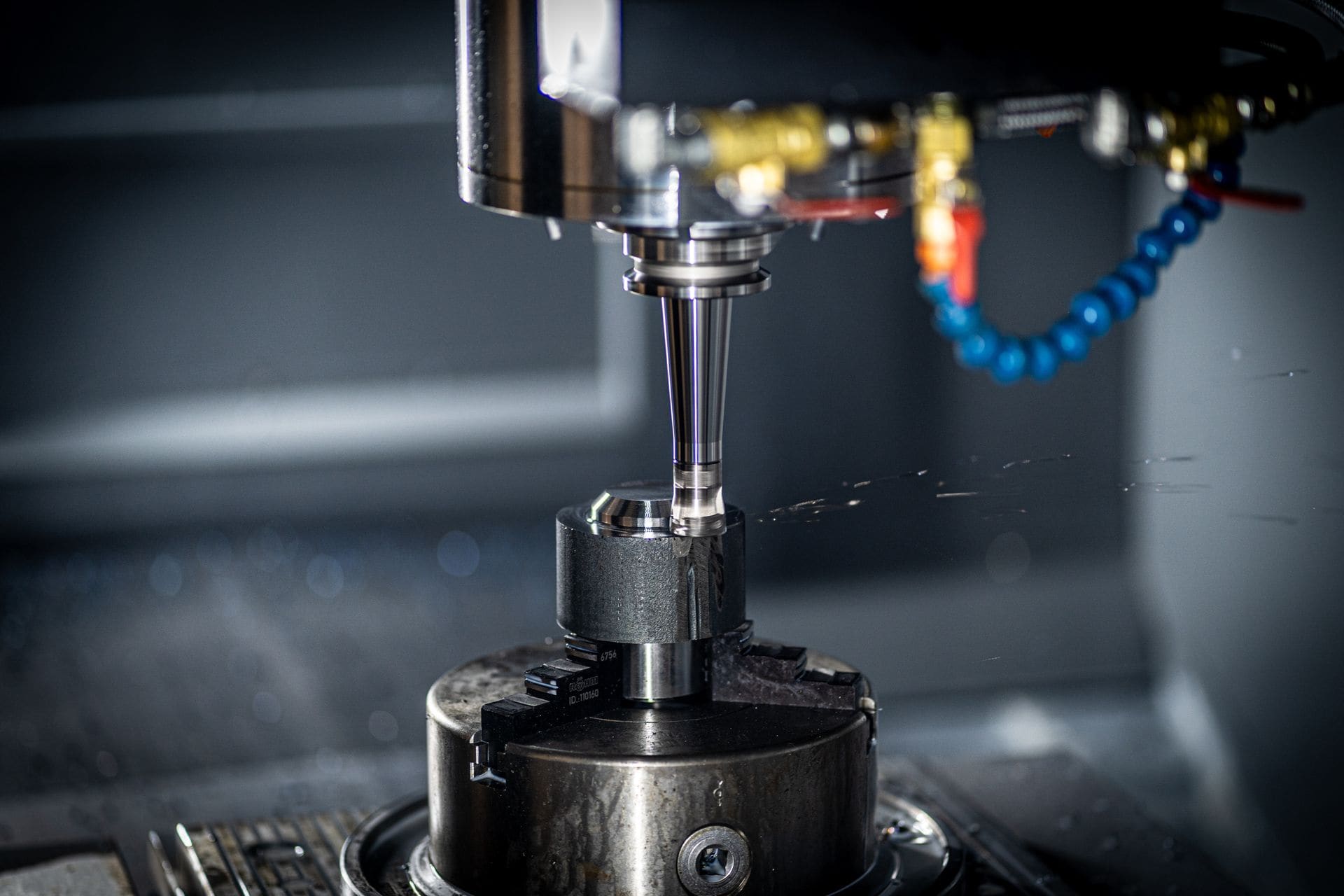
Milling is the most widely used CNC machining technique. It involves using a rotating cutting tool to remove material from a stationary workpiece. With this method, you can create flat surfaces, curves, holes, and steps. Typically, 3-axis milling machines are used.
Milling offers fast production and tight tolerances, making it ideal for relatively simple parts. However, the direction from which the tool can access the workpiece is limited, which restricts its ability to handle highly complex shapes.

Turning: Best for Cylindrical Parts
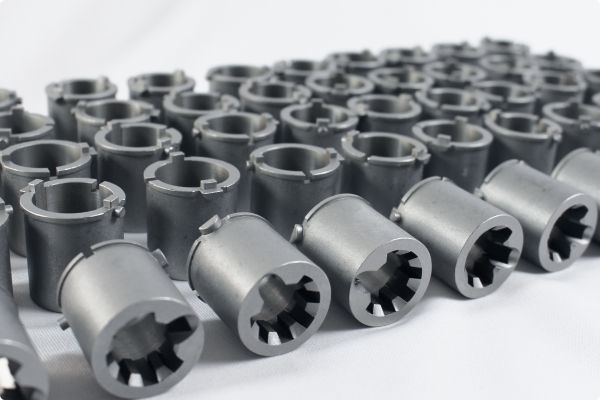
Turning involves rotating the workpiece while a fixed cutting tool (called a bit or insert) removes material. This method excels at producing cylindrical shapes and is capable of operations such as internal/external diameter machining, tapering, facing, grooving, and threading.
Because the workpiece spins rapidly, turning enables fast production and low cost per unit, making it suitable for high-volume manufacturing. However, it is mainly limited to round geometries, and complex parts may require additional processes.

3+2 Axis Milling: Efficient for Angled Features
3+2 axis milling adds two rotational axes (A, B, or C) to the traditional 3-axis setup (X, Y, Z). In this method, the rotational axes are used to fix the workpiece at a specific angle before performing the machining with the three linear axes.
This approach improves tool accessibility and reduces setup time, enabling the processing of inclined surfaces and multi-face parts in a single setup. However, it has limitations in handling continuous freeform surfaces.
Simultaneous 5-Axis Milling: The Pinnacle of Precision Machining
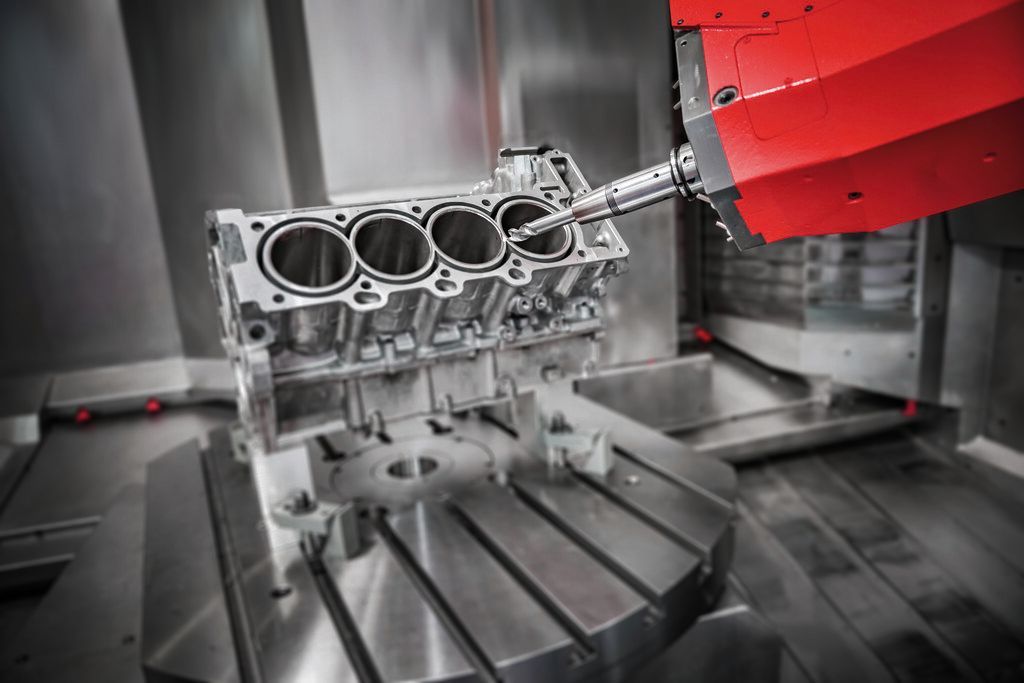
Simultaneous 5-axis machining allows the three linear axes (X, Y, Z) and two rotational axes (A, B) to move at the same time. This enables real-time adjustment of the tool-to-workpiece angle, making it possible to machine intricate geometries and freeform surfaces such as impellers and blisks with high precision.
Because all sides of a part can be machined in a single setup, this method greatly reduces errors and enhances productivity. However, the equipment is expensive and requires advanced programming and operation skills, which presents a higher entry barrier.
CNC Machining Method Comparison
Method | Key Features | Advantages | Limitations | Recommended Applications |
| Milling | Uses rotating tools on a fixed workpiece | High precision, fast production, ideal for flat/simple shapes | Limited tool access for complex shapes | Electronic parts, molds, general mechanical parts |
| Turning | Rotates workpiece against a fixed cutting tool | Fast production, low cost, simple setup | Limited to cylindrical shapes; may require post-processing | Shafts, screws, round components |
| 3+2 Axis Milling | Fixed-angle 3-axis machining with added rotations | Enables multi-face machining, reduces setup time | Less effective for continuous freeform surfaces | Multi-surface parts, structural components |
| 5-Axis Milling | Simultaneous control of all 5 axes | Ultra-precise machining, one-setup processing | High cost, requires skilled programming and operators | Aerospace parts, medical devices, precision parts |
Creallo's CNC Manufacturing Services
Creallo provides instant quoting and optimal machining recommendations through its AI-powered 3D Design Analysis & Quotation Technology. Just upload your design files and our system automatically identifies the best machining approach for your part.
Our CNC services are supported by in-house factory in Seoul, Korea and a globally verified manufacturing network. With Creallo, you can produce high-quality components efficiently—without wasting time or resources on sourcing or trial-and-error selection.
View Creallo CNC Service Page→
View supported CNC materials and finishing options →